

Shipping Container Prices Explained
The "Commodity" Nature of Container Pricing
One of the most common questions we get asked is, "How much is a shipping container?" It sounds simple, but the answer changes almost weekly. Shipping containers are, at their core, a global commodity. Like gold, oil, or coffee, their base value is determined by the worldwide market. Because containers are manufactured primarily in the Far East and purchased in US Dollars, the exchange rate of the Pound Sterling against the Dollar has a direct and immediate impact on the price we pay, and consequently, the price you pay.
Furthermore, the cost of raw materials plays a massive role. Corten steel, the corrosion-resistant alloy from which containers are built, varies in price globally. If steel prices spike, the manufacturing cost of new containers rises, which eventually trickles down to the used market. While we work hard to keep our prices stable for our Manchester customers, these global tides do ripple into the local market.
Condition: The Biggest Price Differentiator
When browsing for a container, the first major fork in the road is the condition. The gap between a brand-new unit and a well-used one can be substantial, but so is the difference in aesthetics and longevity.
1. New "One-Trip" Containers
In the container industry, "New" typically means "One-Trip". These units have been manufactured in China and have made a single journey carrying cargo to the UK before being released for sale. They are the gold standard for storage and conversions. Because they haven’t spent years at sea, they are structurally immaculate and aesthetically pleasing, usually arriving in a standard colour like blue or green.
Why pay the premium? If your container will be visible to the public, perhaps as a pop-up shop in the Northern Quarter or a garden office in Bury, a one-trip container is worth the extra investment. They come with factory-fitted lockboxes for high security and often feature multiple air vents to reduce condensation. Expect these to be at the top end of the price bracket, usually ranging from £2,300 upwards for a 20ft unit, depending on the market.
2. Used "Wind and Watertight" (WWT)
These are the workhorses of the industry. A used container typically has 10–15 years of service on the high seas under its belt. They will show their age: expect rust patches, dents, and different shipping line liveries. However, they are guaranteed to be wind- and watertight, keeping your goods dry.
Why choose used? For pure storage functionality, where looks don't matter, think of an industrial site in Oldham or agricultural storage on the outskirts of Wigan, a used container offers incredible value. You are paying for utility, not vanity. Prices for these units can be significantly lower, offering a substantial saving over new stock.
3. Cargo Worthy (CW) and IICL
If you actually intend to ship goods abroad, a standard "used" container might not suffice. You need a container that meets "Cargo Worthy" standards or IICL (Institute of International Container Lessors) criteria, which ensures the structural integrity is sufficient for stacking and heavy loads. These come with a CSC (Container Safety Convention) plate, which acts like the container's passport. Expect to pay a small premium over standard WWT containers for the certification.
Size Dynamics: Why Smaller Isn't Always Cheaper
It is natural to assume that a 10ft container would cost exactly half as much as a 20ft container. However, in the container world, standardisation governs pricing.
The 20ft Standard: The Market Benchmark
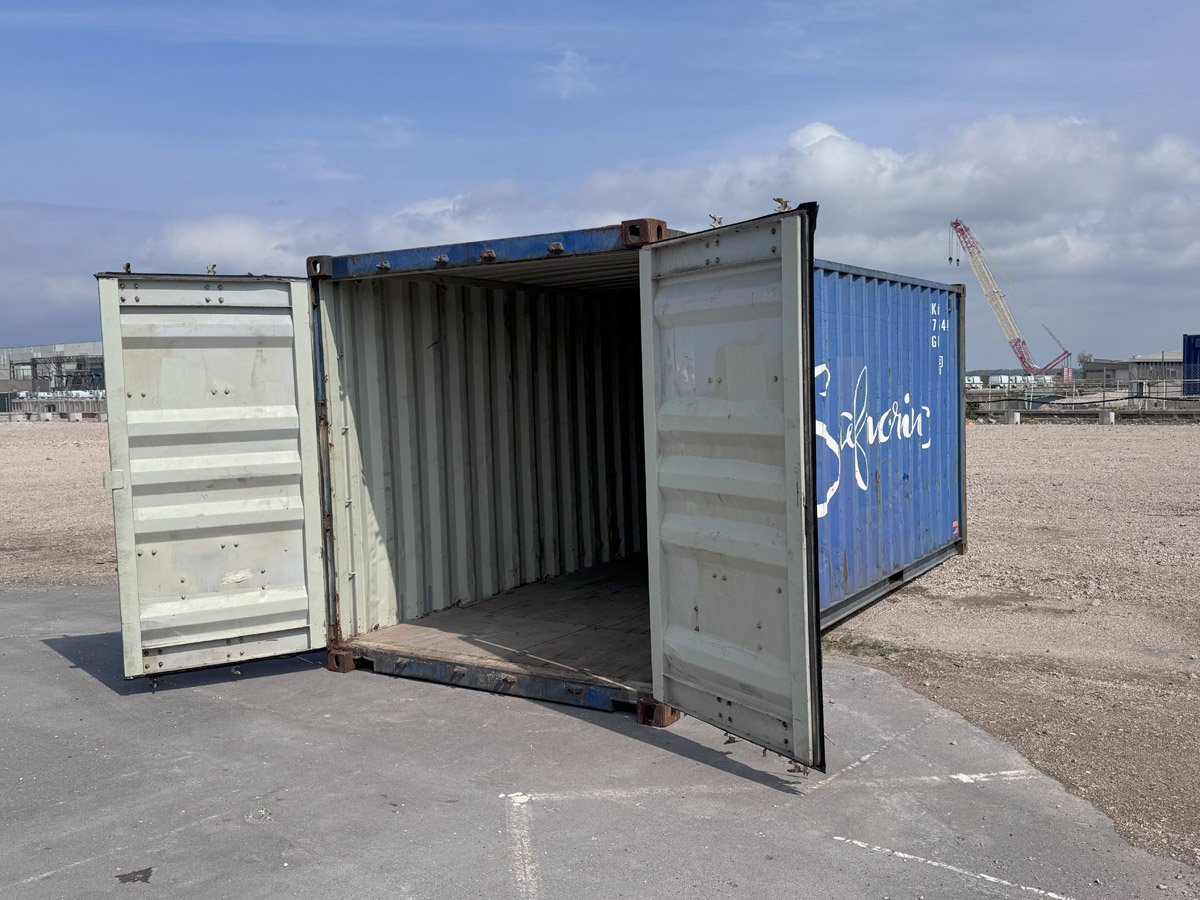
The 20ft shipping container is the most mass-produced unit in the world. Because they are churned out in the millions, the economies of scale keep their manufacturing costs down. This often makes the 20ft storage container the most cost-effective option per square foot.
The 40ft High Cube: Maximum Volume
If you have the space, a 40ft container offers unbeatable value. You get double the length of a 20ft unit, but rarely for double the price, often it is only 30-40% more expensive. High Cube variants, which offer an extra foot of headroom (9ft 6in vs 8ft 6in), are increasingly popular for large-scale storage projects or conversions, providing a massive 2,700 cubic feet of space.

The 10ft Anomaly
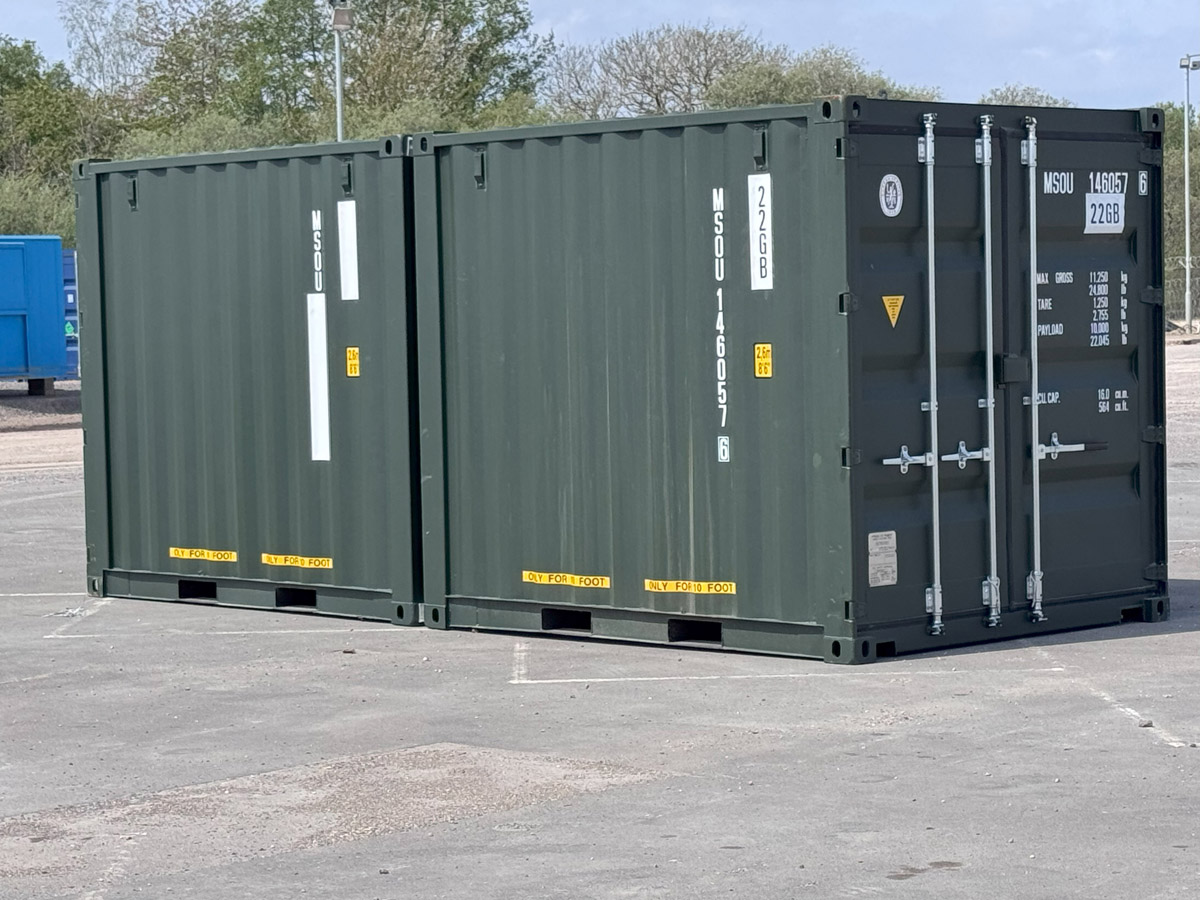
Interestingly, 10ft containers can sometimes cost more than 20ft containers. Why? Because shipping lines rarely use 10ft units, they are not mass-produced to the same extent. Often, a 10ft container is created by cutting a standard 20ft or 40ft container down. This process involves significant labour, welding, and fabricating a new set of doors or end walls. You are paying for the bespoke fabrication, not just the steel.
Modifications and Accessories
The base price of the container is just the start. Depending on your needs, you may require modifications that will influence the final quote. At Shipping Containers of Manchester, we can tailor your unit to precise specifications.
- Lockboxes: A steel shroud welded over the padlock to prevent bolt croppers from accessing it. Essential for security in urban areas like Salford or Manchester city centre.
- Anti-Condensation Treatments: We recommend Grafotherm coating or moisture traps for anyone storing soft furnishings, paper archives, or textiles. This prevents "container rain" condensation dripping from the roof.
- Repainting: Used containers come in their original shipping line colours (often dull browns or bold oranges). A fresh coat of marine-grade paint not only improves the look but adds a layer of protection against the Manchester weather.
- Lining and Insulation: For site offices or workshops, ply lining and insulation are vital to maintain a stable temperature. This transforms a cold steel box into a usable workspace.
Hire vs Purchase: Which is Right for You?
If your need is temporary, purchasing might not be the most savvy financial move. We offer flexible hire options that can save you capital.
When to Hire
If you are renovating a property in Stockport and need storage for six months, hiring is likely cheaper. You pay a weekly rate and a transport fee, avoiding the large upfront capital outlay required to purchase. It also saves you the hassle of reselling the container when you are finished.
When to Buy
If you need storage for more than 12-18 months, purchasing is usually the more economical option. Containers hold their residual value well. If you buy a used container, look after it, and sell it two years later, you might find it has cost you very little in real terms compared to rental fees.
The Hidden Cost: Delivery
When budgeting, never forget delivery. Transporting a 2-tonne steel box requires specialist equipment. We typically use HIAB delivery trucks (lorries with a crane arm) to lift the container onto your site. The cost depends on the distance from our depot to your site and the complexity of the drop.
Because we are local, specialising in the Greater Manchester area from Bolton to Oldham, we can often offer more competitive delivery rates than national companies hauling units from far-off ports. However, site access is critical. If the driver cannot place the container where you want it due to overhead cables or soft ground, the delivery may be considered a failed delivery, and charges may apply. Always ensure your site is accessible by a large vehicle before booking.
Getting a Tailored Quote
Because of the variables mentioned steel prices, currency fluctuations, and stock levels we don't publish a static price list. It would likely be wrong by the time you read it! Instead, we focus on providing accurate, real-time quotes based on current market conditions.
Whether you need a quote for a container in Trafford or advice on planning permission in Wigan, our team is ready to help you navigate the costs and find a solution that fits.
Do I pay VAT on shipping containers?
Yes, VAT applies to all sales and hires of shipping containers in the UK. When budgeting for your project, remember to add 20% to the quoted net price.
Are used containers guaranteed?
Absolutely. Even though they are used, we guarantee our containers are wind and watertight. We inspect them to ensure the doors seal correctly and there are no holes before they leave our depot.
Why is my 10ft container more expensive than a 20ft one?
10ft containers are rarely used in shipping, so they are usually created by cutting down a larger 20ft or 40ft container. The labour and materials required to cut, reinforce, and fit a new end wall or doors add to the cost, often making them pricier than the standard mass-produced 20ft units.
Can I resell my container back to you?
We are always interested in buying back containers we have sold, provided they are still in good condition. While the price will depend on the unit's current market value and condition, containers generally hold their value well over time.
Is it cheaper to buy two 20ft containers or one 40ft container?
Generally, buying one 40ft container is cheaper than buying two 20ft containers. You also save on delivery costs, as a 40ft unit can be delivered on a single vehicle, whereas two 20ft units might require two separate runs depending on the truck type.
Office Hours
Monday : 9:00-17:30
Tuesday : 9:00-17:30
Wednesday : 9:00-17:30
Thursday : 9:00-17:30
Friday : 9:00-17:30
Saturday : Closed
Sunday : Closed
Tel: 0330 0130 636